
Natural Remedies Used by Sri Lankan Grandmothers
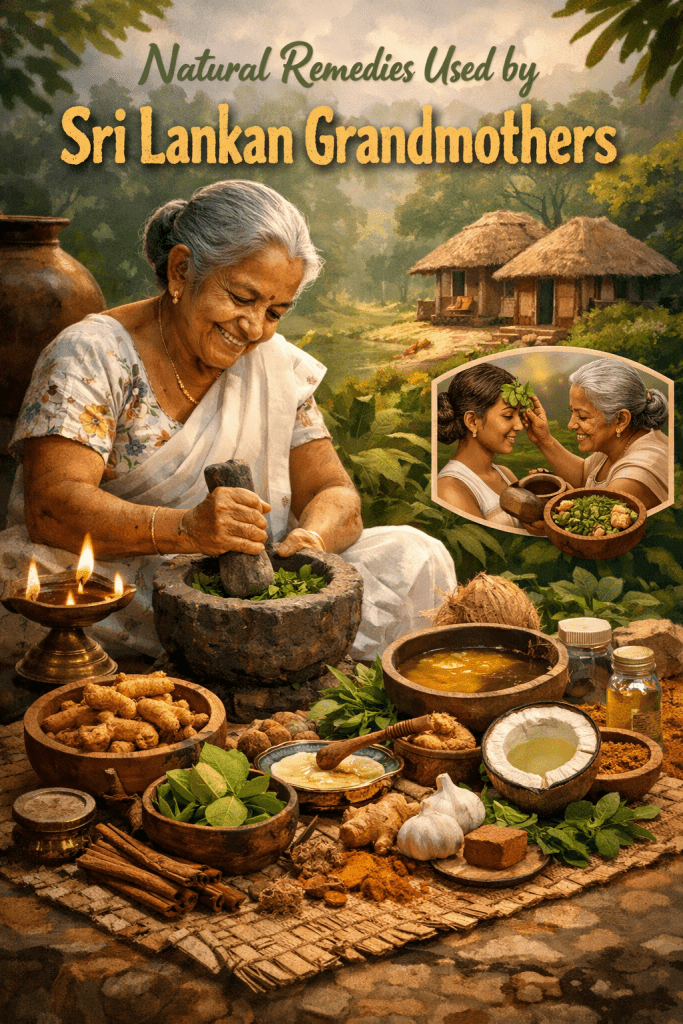
For centuries, Sri Lankan grandmothers have been the true healers of the household. Long before pharmacies and synthetic medicines became common, wellness in Sri Lanka was rooted in nature, Ayurveda, and deep ancestral wisdom. Using herbs grown in home gardens, spices from the kitchen, and oils prepared with care, these remedies addressed everything from common colds to chronic aches—gently, effectively, and holistically. Today, as the world turns back toward **natural remedies, herbal medicine, and sustainable wellness**, the practices of Sri Lankan grandmothers are more relevant than ever. At **Ceylon Exotique**, we honor and celebrate this timeless knowledge through nature-inspired products drawn from Sri Lanka’s rich botanical heritage. The Philosophy Behind Traditional Sri Lankan Remedies Sri Lankan home remedies are deeply influenced by **Ayurveda**, one of the world’s oldest holistic healing systems. Grandmothers understood that health was a balance between body, mind, and environment. Remedies were chosen not only to treat symptoms but to restore harmony within the body. These remedies relied on: * Fresh, natural ingredients * Minimal processing * Seasonal and body-type awareness * Preventive care rather than reactive treatment 1. Turmeric (Kaha): The Golden Healer Turmeric has always held a sacred place in Sri Lankan households. Known locally as *kaha*, it was used daily for both internal and external healing. How grandmothers used turmeric: * Mixed with warm milk to treat colds and boost immunity * Applied as a paste on cuts, wounds, and skin infections * Used in herbal baths for purification and protection Modern science now confirms what grandmothers always knew—turmeric has **powerful anti-inflammatory, antibacterial, and antioxidant properties Frequently Asked Questions What natural remedies are used by Sri Lankan grandmothers? Sri Lankan grandmothers use natural remedies such as turmeric, ginger, coriander, garlic, coconut oil, honey, and herbal leaves to treat common ailments and maintain overall health. Are Sri Lankan natural remedies based on Ayurveda? Yes, many remedies used by Sri Lankan grandmothers are deeply rooted in Ayurveda, an ancient healing system that focuses on balancing the body using herbs, spices, and natural ingredients. Are traditional Sri Lankan home remedies safe? Traditional Sri Lankan home remedies are generally safe when used correctly with natural ingredients. However, for serious or long-term health conditions, professional medical advice is recommended. What are common ingredients in Sri Lankan home remedies? Common ingredients include turmeric, ginger, cinnamon, garlic, honey, coconut oil, and a variety of medicinal herbs traditionally grown in Sri Lankan villages.
Traditional Sri Lankan Curry Recipes
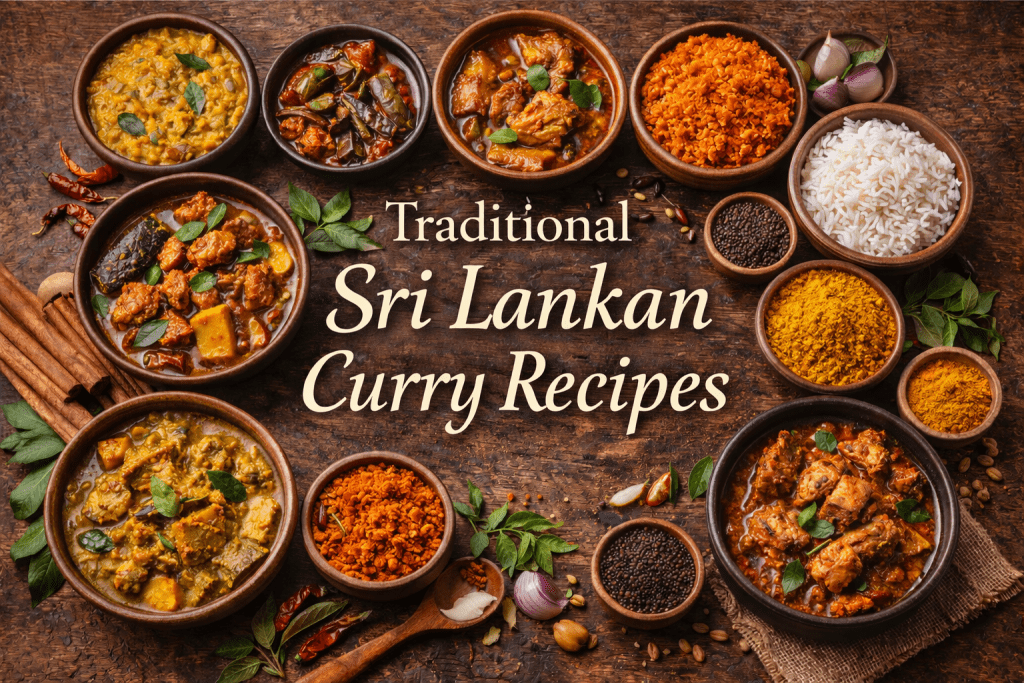
Sri Lankan cuisine is famous for its bold flavors, aromatic spices, and rich traditions. At the heart of this cuisine lies the Sri Lankan curry—deeply spiced, coconut-rich, and crafted with techniques passed down through generations. Unlike Indian or Thai curries, Sri Lankan curries are intensely flavorful, often slow-cooked and layered with roasted spices, curry leaves, and coconut milk. Let’s explore some of the most traditional Sri Lankan curry recipes you must know. 🌶️ What Makes Sri Lankan Curry Unique? Sri Lankan curries stand out because of: Freshly roasted spice blends Generous use of curry leaves Coconut milk or coconut cream Traditional clay-pot cooking Slow simmering for deep flavor Each household has its own variation, making every curry special. 1️⃣ Sri Lankan Chicken Curry (Kukul Mas Curry) Key ingredients: Chicken pieces Ceylon cinnamon Roasted curry powder Curry leaves Coconut milk Why it’s special:This curry balances heat, spice, and creaminess. The use of roasted spices gives it a deep, smoky flavor unlike typical chicken curries. 2️⃣ Fish Ambul Thiyal (Sour Black Fish Curry) A signature dish from southern Sri Lanka. Key ingredients: Tuna or firm fish Goraka (Malabar tamarind) Black pepper Garlic & ginger Why it’s special:This curry is dry, sour, and spicy—traditionally made to preserve fish without refrigeration. 3️⃣ Sri Lankan Dhal Curry (Parippu Curry) One of the most common daily curries in Sri Lankan homes. Key ingredients: Red lentils Coconut milk Turmeric Mustard seeds Curry leaves Why it’s special:Simple, nourishing, and comforting—served with rice for breakfast, lunch, or dinner. 4️⃣ Jackfruit Curry (Polos or Kos Curry) A beloved vegetarian curry. Types: Polos curry – young jackfruit (meaty texture) Kos curry – mature jackfruit Why it’s special:Often called “vegetarian meat,” jackfruit absorbs spices beautifully. 5️⃣ Sri Lankan Vegetable Curry Made using seasonal vegetables like pumpkin, beans, brinjal, or ash plantain. Common spices: Turmeric Chili powder Mustard seeds Coconut milk Why it’s special:Each vegetable is cooked separately, preserving its unique flavor. 6️⃣ Eggplant Curry (Wambatu Moju / Curry) A sweet, sour, and spicy dish. Why it’s special:Fried eggplant combined with spices, vinegar, and sugar—perfect with rice and curries. 🍚 How Sri Lankans Serve Curry Sri Lankan curries are usually served with: Steamed rice or red rice Sambols (coconut sambol, onion sambol) Mallung (leafy greens) Papadam A meal often includes 3–6 small curries on one plate. 🌿 Health Benefits of Sri Lankan Curries Thanks to their spice blends, these curries: Improve digestion Reduce inflammation Boost immunity Support gut health Especially when made with Ceylon cinnamon, turmeric, ginger, and curry leaves. Final Thoughts Traditional Sri Lankan curry recipes are more than just food—they’re a reflection of culture, climate, and centuries of culinary wisdom. Whether vegetarian or meat-based, each curry tells a story of home cooking and heritage. At Ceylon Exotique, we celebrate these timeless flavors and share Sri Lanka’s culinary soul with the world. 🍛 Want Authentic Sri Lankan Recipes? Subscribe to our newsletter for: Traditional curry recipes Spice guides Cooking tips from Sri Lankan kitchens
10 Health Benefits of Sri Lankan Spices
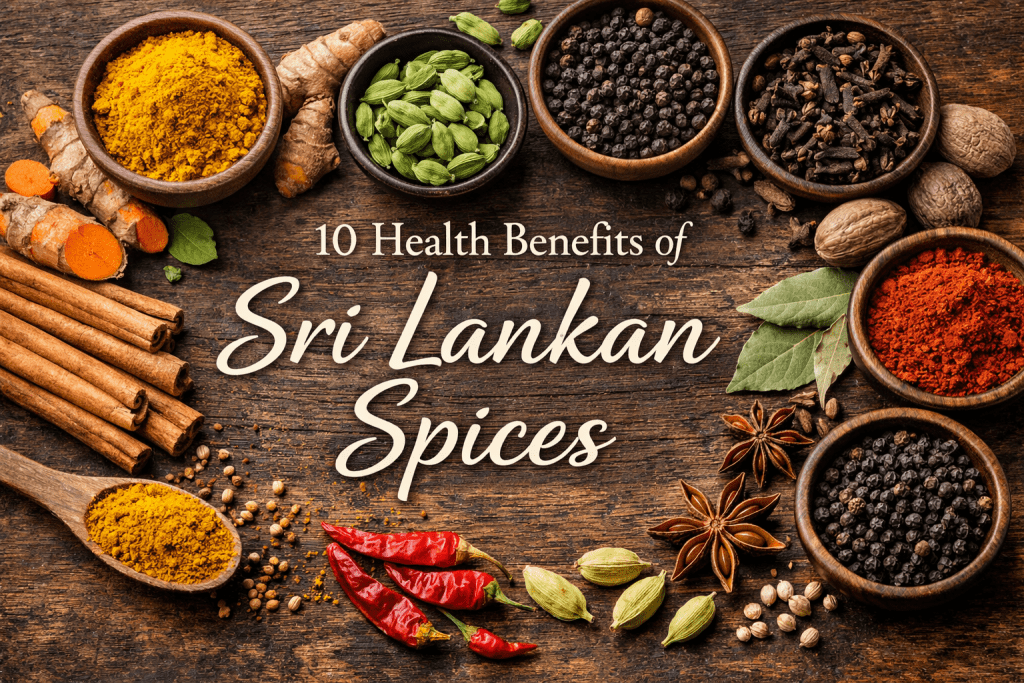
Sri Lanka, often called the Spice Island, has supplied the world with precious spices for thousands of years. Beyond their rich aroma and flavor, Sri Lankan spices are powerful natural remedies, deeply rooted in Ayurveda and traditional medicine. Here are 10 proven health benefits of Sri Lankan spices that make them valuable not just in the kitchen—but in daily wellness. 1️⃣ Ceylon Cinnamon Helps Regulate Blood Sugar Ceylon cinnamon (true cinnamon) is known for its ability to: Improve insulin sensitivity Support stable blood sugar levels Reduce sugar cravings Unlike common cassia cinnamon, Sri Lankan cinnamon is gentle and safe for daily use. 2️⃣ Turmeric Fights Inflammation Naturally Turmeric contains curcumin, a powerful anti-inflammatory compound that: Reduces joint pain Supports brain health Strengthens the immune system Sri Lankan turmeric is especially valued for its deep color and purity. 3️⃣ Black Pepper Improves Digestion Known as the “King of Spices”, black pepper: Stimulates digestive enzymes Reduces bloating Enhances nutrient absorption It also helps the body absorb curcumin from turmeric more effectively. 4️⃣ Cardamom Supports Heart Health Cardamom is widely used in Sri Lankan cooking and tea for good reason: Helps regulate blood pressure Improves circulation Supports heart health Its refreshing aroma also promotes mental clarity. 5️⃣ Cloves Are Powerful Antioxidants Cloves are rich in antioxidants and known to: Fight infections Relieve tooth and gum pain Support liver health Just a small amount goes a long way. 6️⃣ Ginger Boosts Immunity Fresh ginger is a staple in Sri Lankan homes. It helps: Strengthen the immune system Reduce nausea Ease cold and flu symptoms Ginger tea is a traditional remedy passed down through generations. 7️⃣ Coriander Aids Detoxification Coriander seeds and leaves: Support liver function Help remove toxins Improve digestion In Ayurveda, coriander is known for its cooling and cleansing properties. 8️⃣ Fenugreek Helps Balance Cholesterol Fenugreek seeds are commonly used in Sri Lankan curries and herbal remedies to: Lower bad cholesterol Support heart health Improve metabolism They are especially beneficial when soaked and consumed regularly. 9️⃣ Nutmeg Supports Better Sleep Nutmeg has calming properties that: Reduce anxiety Improve sleep quality Support brain health In small amounts, it’s a powerful natural relaxant. 🔟 Curry Leaves Improve Hair & Skin Health Often overlooked, curry leaves: Strengthen hair roots Improve skin health Support digestion and metabolism They are rich in iron, antioxidants, and essential nutrients. Why Sri Lankan Spices Are Special Sri Lankan spices stand out because of: Rich tropical soil Traditional farming methods Hand-harvesting and sun-drying Minimal processing This ensures maximum potency, aroma, and health benefits. Final Thoughts Sri Lankan spices are more than flavor enhancers—they are natural wellness boosters trusted for centuries. Incorporating them into your daily cooking is one of the simplest ways to improve health naturally. At Ceylon Exotique, we celebrate these time-tested treasures and share their benefits with the world. 🌿 Want to Experience Authentic Sri Lankan Spices? Subscribe to our newsletter for: Spice guides Traditional recipes Wellness tips inspired by Ayurveda
Why Ceylon Cinnamon Is the Best in the World

When people talk about cinnamon, most don’t realize there are different types—and not all cinnamon is created equal. Among them, Ceylon cinnamon, often called “True Cinnamon”, stands above the rest. Grown almost exclusively in Sri Lanka, this prized spice has been valued for centuries for its flavor, health benefits, and purity. So what makes Ceylon cinnamon the best in the world? Let’s explore. What Is Ceylon Cinnamon? Ceylon cinnamon comes from the inner bark of the Cinnamomum verum tree, native to Sri Lanka (formerly known as Ceylon). Unlike common cinnamon varieties found in supermarkets, Ceylon cinnamon is: Light brown in color Delicate and mildly sweet Rolled into thin, soft layers It has been traded globally since ancient times and was once considered more valuable than gold. Ceylon Cinnamon vs Cassia: The Big Difference Most cinnamon sold worldwide is Cassia, not Ceylon cinnamon. Here’s how they compare: Feature Ceylon Cinnamon Cassia Cinnamon Taste Mild, sweet, complex Strong, spicy, harsh Color Light brown Dark reddish-brown Texture Thin, soft layers Thick, hard bark Coumarin Very low High (can be harmful in excess) Origin Sri Lanka China, Indonesia, Vietnam 👉 Health experts recommend Ceylon cinnamon, especially for regular consumption, because of its low coumarin content. Health Benefits of Ceylon Cinnamon Ceylon cinnamon has long been used in Ayurvedic and traditional medicine. Some key benefits include: 🌿 1. Supports Blood Sugar Balance Ceylon cinnamon may help improve insulin sensitivity, making it a better option for people managing blood sugar levels. ❤️ 2. Good for Heart Health It can support healthy cholesterol levels and improve circulation. 🧠 3. Anti-Inflammatory & Antioxidant Rich in antioxidants that help fight inflammation and oxidative stress. 🍵 4. Gentle on the Body Unlike Cassia, it’s safe for daily use when consumed in normal amounts. Why Sri Lanka Produces the Best Cinnamon Sri Lanka’s unique climate, soil, and centuries-old expertise make it the world’s leading producer of true cinnamon. What makes it special: Ideal tropical climate Skilled artisans who hand-peel the bark Traditional sun-drying methods Strict quality control standards This craftsmanship results in cinnamon that is aromatic, flavorful, and premium. Culinary Uses of Ceylon Cinnamon Ceylon cinnamon is incredibly versatile and used in: Sri Lankan curries Desserts and baked goods Herbal teas Smoothies and breakfast bowls Golden milk and wellness drinks Because of its subtle flavor, it enhances food without overpowering it. How to Identify Real Ceylon Cinnamon When buying cinnamon, look for: Label says “Ceylon Cinnamon” or “True Cinnamon” Thin, papery sticks with many layers Light brown color Mild, sweet aroma (not sharp or spicy) If it just says “cinnamon,” it’s usually Cassia. Final Thoughts Ceylon cinnamon isn’t just a spice—it’s a heritage product, a healthier choice, and a luxury ingredient trusted around the world. Whether you use it for cooking, wellness, or daily tea, choosing Ceylon cinnamon means choosing quality, safety, and authenticity. At Ceylon Exotique, we celebrate Sri Lanka’s finest treasures—and Ceylon cinnamon is one of the greatest among them. FAQs Q: Is Ceylon cinnamon better than cassia?Yes, Ceylon cinnamon is safer for daily use due to its low coumarin content and milder flavor. Q: Is Ceylon cinnamon good for daily consumption?Yes, when used in normal culinary amounts, it is considered safe and beneficial. ✉️ Want More Like This? Subscribe to our newsletter and get: Spice guides Traditional recipes Sri Lankan travel & wellness insights Written by Ceylon Exotique – sharing authentic Sri Lankan culture, spices, food traditions, and heritage-based knowledge inspired by generations of island living.