When people talk about cinnamon, most don’t realize there are different types—and not all cinnamon is created equal. Among them, Ceylon cinnamon, often called “True Cinnamon”, stands above the rest. Grown almost exclusively in Sri Lanka, this prized spice has been valued for centuries for its flavor, health benefits, and purity.
So what makes Ceylon cinnamon the best in the world? Let’s explore.
What Is Ceylon Cinnamon?
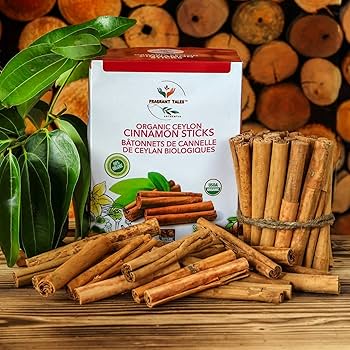
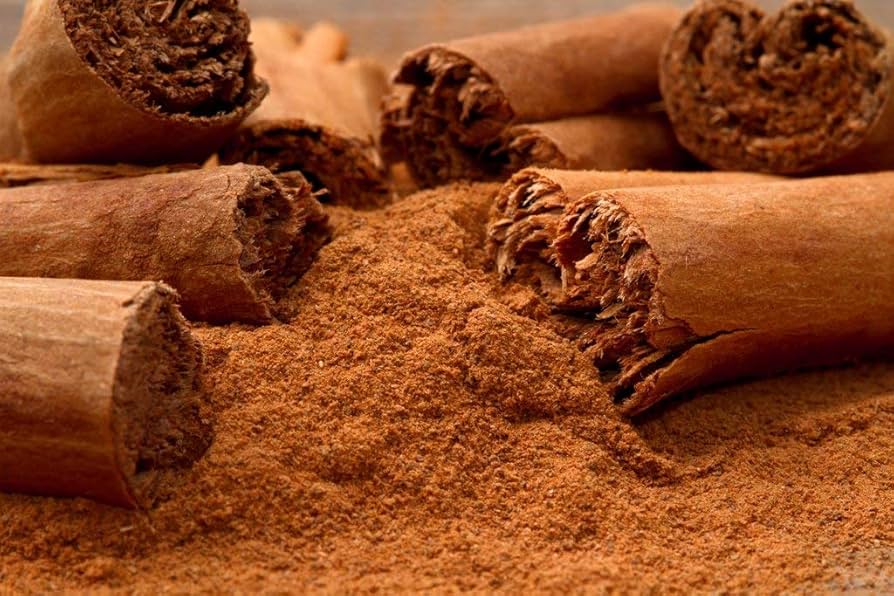
Ceylon cinnamon comes from the inner bark of the Cinnamomum verum tree, native to Sri Lanka (formerly known as Ceylon). Unlike common cinnamon varieties found in supermarkets, Ceylon cinnamon is:
Light brown in color
Delicate and mildly sweet
Rolled into thin, soft layers
It has been traded globally since ancient times and was once considered more valuable than gold.
Ceylon Cinnamon vs Cassia: The Big Difference
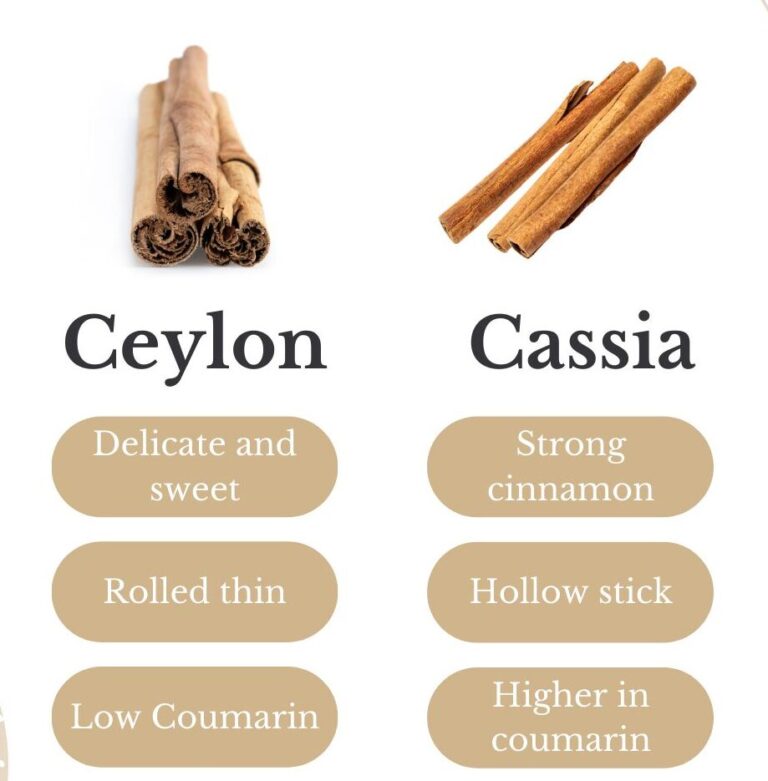
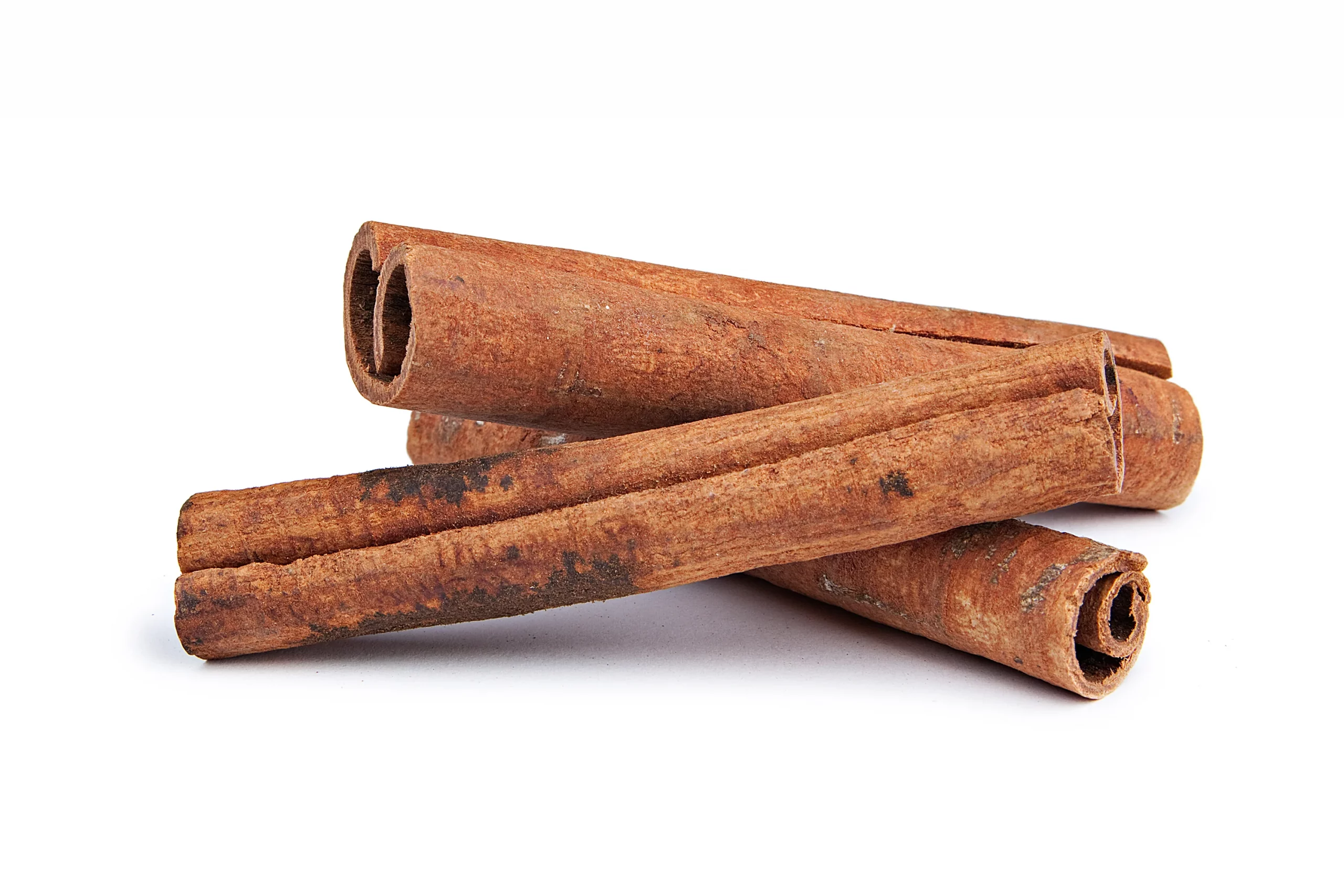
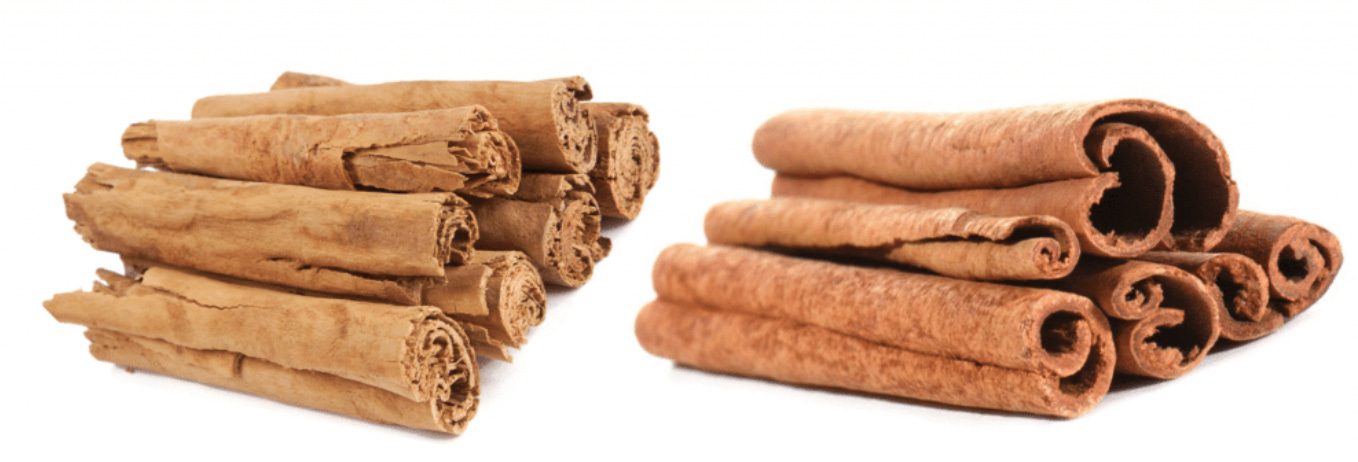
Most cinnamon sold worldwide is Cassia, not Ceylon cinnamon. Here’s how they compare:
| Feature | Ceylon Cinnamon | Cassia Cinnamon |
|---|---|---|
| Taste | Mild, sweet, complex | Strong, spicy, harsh |
| Color | Light brown | Dark reddish-brown |
| Texture | Thin, soft layers | Thick, hard bark |
| Coumarin | Very low | High (can be harmful in excess) |
| Origin | Sri Lanka | China, Indonesia, Vietnam |
👉 Health experts recommend Ceylon cinnamon, especially for regular consumption, because of its low coumarin content.
Health Benefits of Ceylon Cinnamon
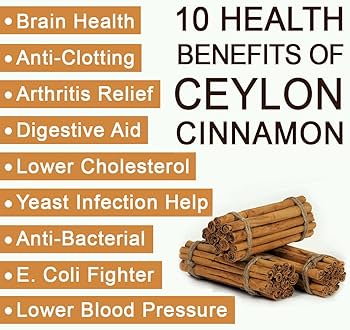
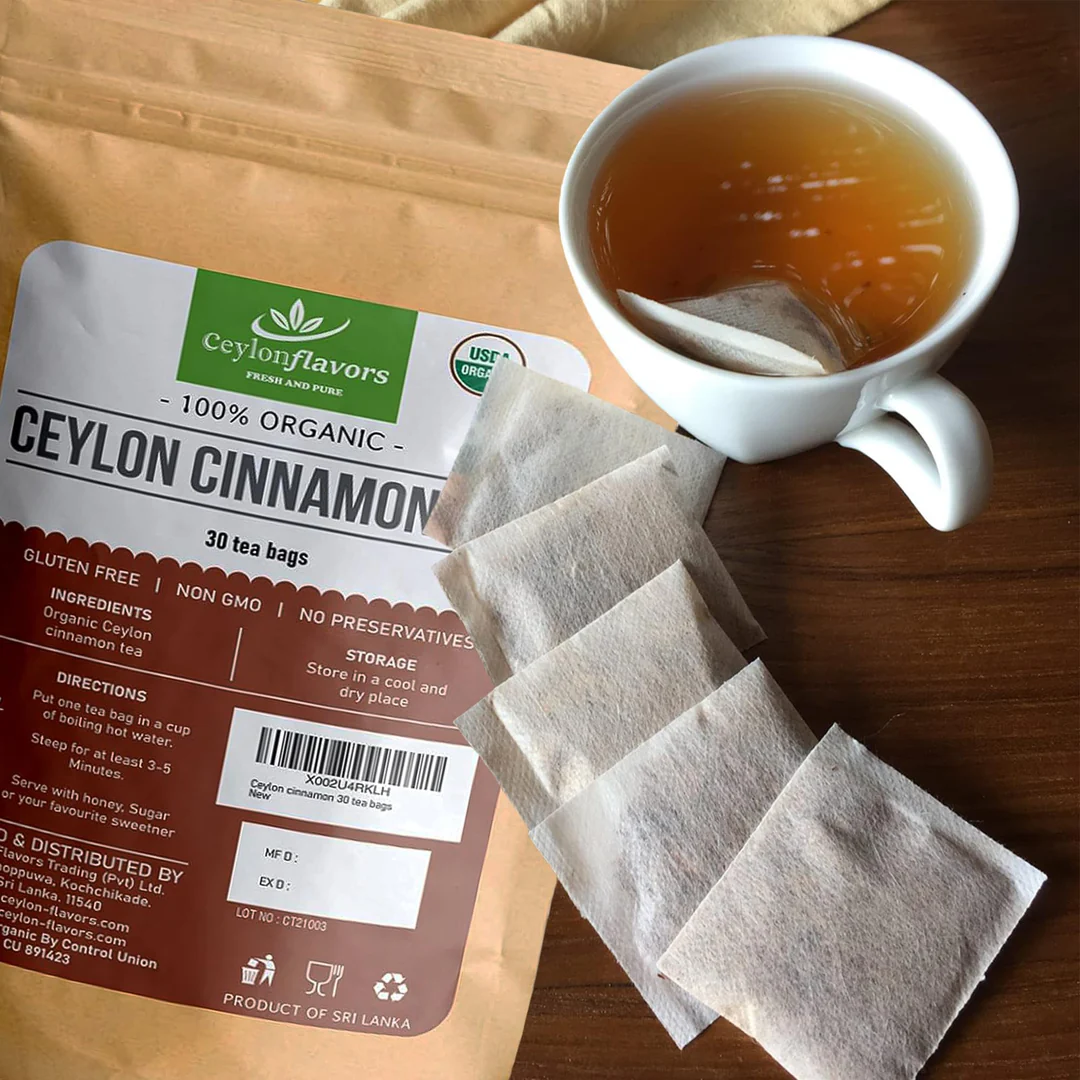
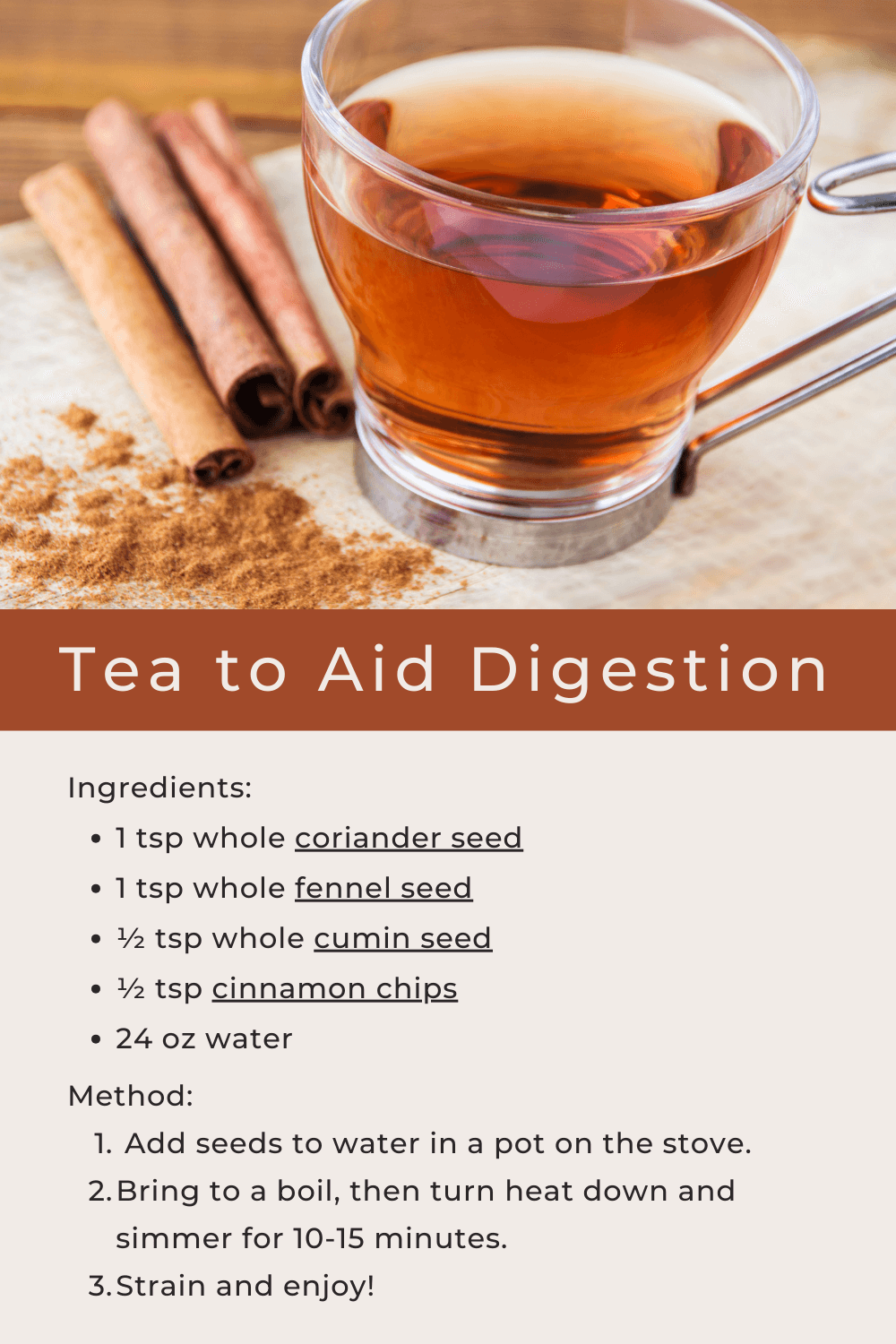
Ceylon cinnamon has long been used in Ayurvedic and traditional medicine. Some key benefits include:
🌿 1. Supports Blood Sugar Balance
Ceylon cinnamon may help improve insulin sensitivity, making it a better option for people managing blood sugar levels.
❤️ 2. Good for Heart Health
It can support healthy cholesterol levels and improve circulation.
🧠 3. Anti-Inflammatory & Antioxidant
Rich in antioxidants that help fight inflammation and oxidative stress.
🍵 4. Gentle on the Body
Unlike Cassia, it’s safe for daily use when consumed in normal amounts.
Why Sri Lanka Produces the Best Cinnamon
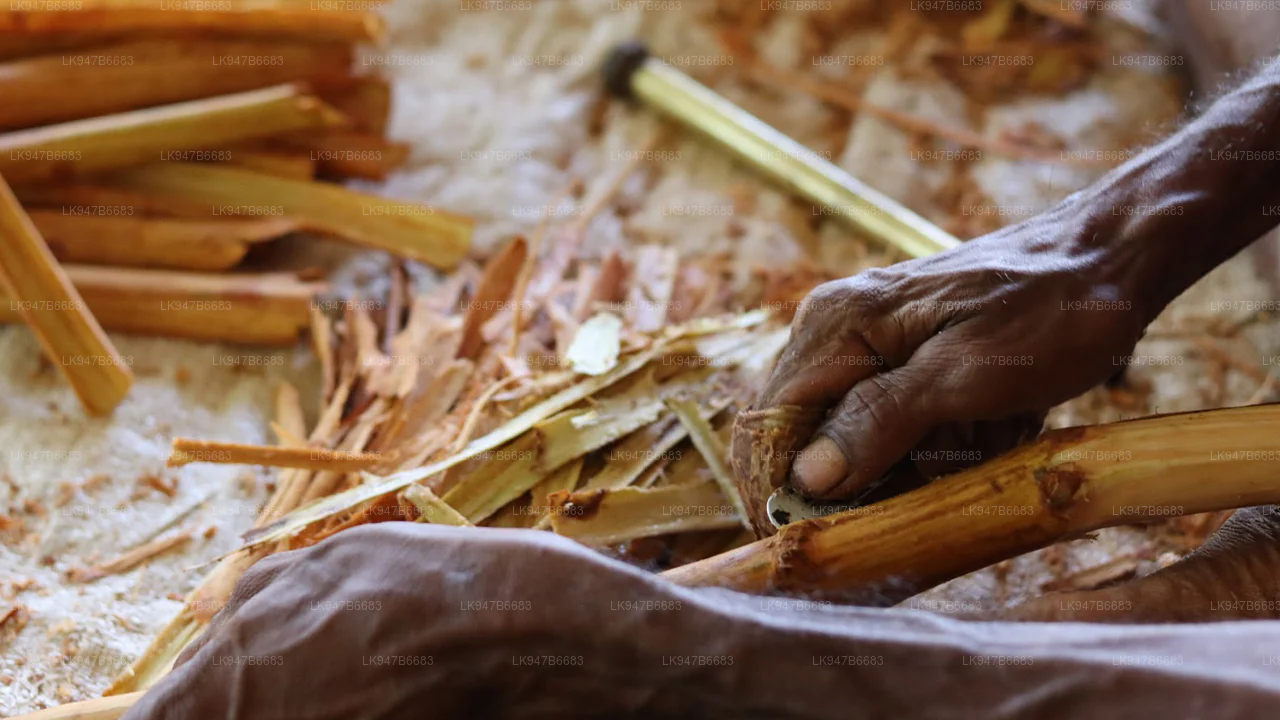


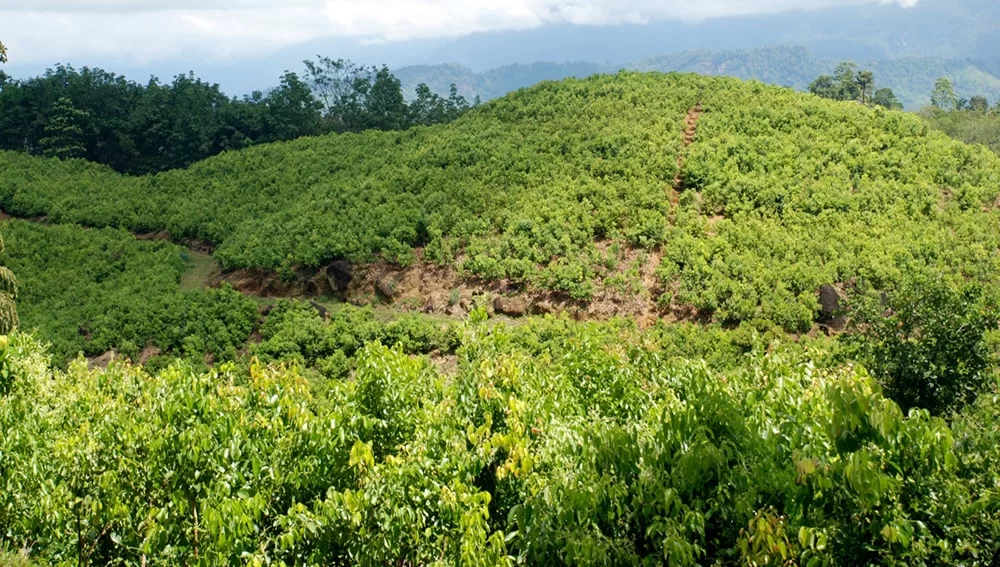
Sri Lanka’s unique climate, soil, and centuries-old expertise make it the world’s leading producer of true cinnamon.
What makes it special:
Ideal tropical climate
Skilled artisans who hand-peel the bark
Traditional sun-drying methods
Strict quality control standards
This craftsmanship results in cinnamon that is aromatic, flavorful, and premium.
Culinary Uses of Ceylon Cinnamon
Ceylon cinnamon is incredibly versatile and used in:
Sri Lankan curries
Desserts and baked goods
Herbal teas
Smoothies and breakfast bowls
Golden milk and wellness drinks
Because of its subtle flavor, it enhances food without overpowering it.
How to Identify Real Ceylon Cinnamon
When buying cinnamon, look for:
Label says “Ceylon Cinnamon” or “True Cinnamon”
Thin, papery sticks with many layers
Light brown color
Mild, sweet aroma (not sharp or spicy)
If it just says “cinnamon,” it’s usually Cassia.
Final Thoughts
Ceylon cinnamon isn’t just a spice—it’s a heritage product, a healthier choice, and a luxury ingredient trusted around the world. Whether you use it for cooking, wellness, or daily tea, choosing Ceylon cinnamon means choosing quality, safety, and authenticity.
At Ceylon Exotique, we celebrate Sri Lanka’s finest treasures—and Ceylon cinnamon is one of the greatest among them.
FAQs
Q: Is Ceylon cinnamon better than cassia?
Yes, Ceylon cinnamon is safer for daily use due to its low coumarin content and milder flavor.
Q: Is Ceylon cinnamon good for daily consumption?
Yes, when used in normal culinary amounts, it is considered safe and beneficial.
✉️ Want More Like This?
Subscribe to our newsletter and get:
-
Spice guides
-
Traditional recipes
-
Sri Lankan travel & wellness insights
Written by Ceylon Exotique – sharing authentic Sri Lankan culture, spices, food traditions, and heritage-based knowledge inspired by generations of island living.